Cryptocurrency prices
Non-fungible tokens (NFTs) are digital assets that represent art, collectibles, gaming, etc. Like crypto, their data is stored on the blockchain. NFTs are bought and traded using cryptocurrency https://buffalo-slot-machine.net/download/. The Ethereum blockchain was the first place where NFTs were implemented, but now many other blockchains have created their own versions of NFTs.
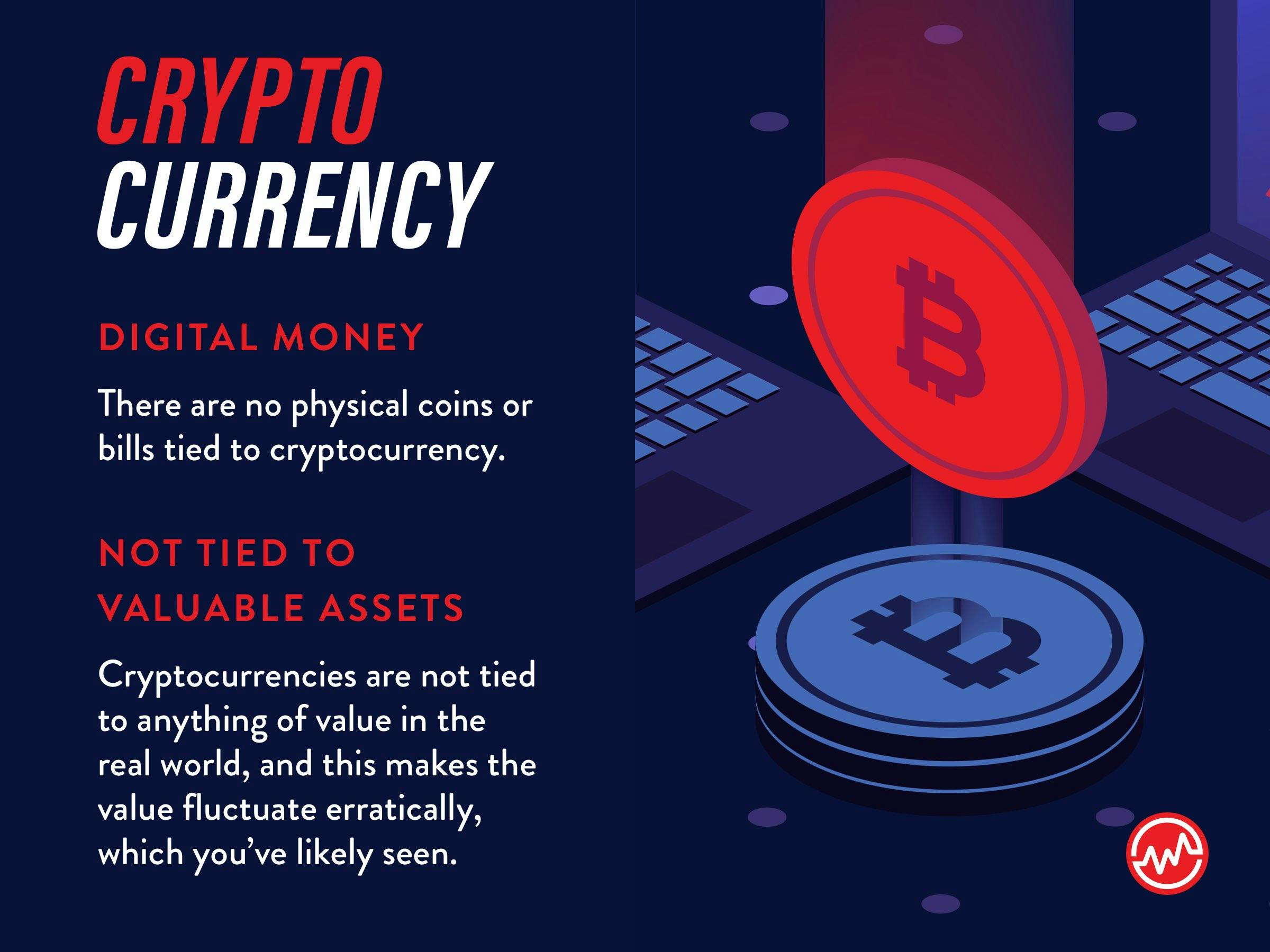
Imagine cryptocurrency as digital money, similar to the euros or US dollars (fiat currencies) people use daily, but with a few significant differences. Some cryptocurrencies have properties similar to gold, other commodities and stocks. Many people buy specific cryptocurrencies to hold on to them and hopefully see their value increase over time.
These physical representations of cryptocurrency do not hold any value by themselves; these are only utilized for collectable purposes. For example, the first incarnation of the bitcoin Casascius, coins made of silver, brass or aluminum sometimes with gold plating, or Titan Bitcoin, which in silver or gold versions are sought after by numismatists.
Another method is called the proof-of-stake scheme. Proof-of-stake is a method of securing a cryptocurrency network and achieving distributed consensus through requesting users to show ownership of a certain amount of currency. It is different from proof-of-work systems that run difficult hashing algorithms to validate electronic transactions. The scheme is largely dependent on the coin, and there is currently no standard form of it. Some cryptocurrencies use a combined proof-of-work and proof-of-stake scheme.
Node owners are either volunteers, those hosted by the organization or body responsible for developing the cryptocurrency blockchain network technology, or those who are enticed to host a node to receive rewards from hosting the node network.
Pi network cryptocurrency
The team calls Pi the first digital money for everyone, something you can “mine” right on your smartphone. They use a system based on the Stellar Consensus Protocol (SCP), tweaked into what they call Federated Byzantine Agreement (FBA), to keep things light on battery and easy for phones to handle. Pi Network wants to build a digital currency and app platform that its worldwide users run and keep safe, hoping this will make finance fairer and fix some of the clunkiness of regular money.
The Pi Network takes a cautious approach to data protection. Users don’t have to provide sensitive information like government IDs. A Facebook account or just an email address is enough to join the network.
By early 2025, Pi Network had switched to its Open Mainnet. This step took down the barriers of the earlier “Enclosed Network,” meaning it can now connect to other systems, potentially get listed on exchanges, and let more apps plug in. It’s built for phones first, using SCP and those Security Circles. Validator Nodes and SuperNodes are key parts of the system, making sure everything runs smoothly and securely.

The team calls Pi the first digital money for everyone, something you can “mine” right on your smartphone. They use a system based on the Stellar Consensus Protocol (SCP), tweaked into what they call Federated Byzantine Agreement (FBA), to keep things light on battery and easy for phones to handle. Pi Network wants to build a digital currency and app platform that its worldwide users run and keep safe, hoping this will make finance fairer and fix some of the clunkiness of regular money.
The Pi Network takes a cautious approach to data protection. Users don’t have to provide sensitive information like government IDs. A Facebook account or just an email address is enough to join the network.
What is cryptocurrency
Transaction fees (sometimes also referred to as miner fees or gas fees) for cryptocurrency depend mainly on the supply of network capacity at the time, versus the demand from the currency holder for a faster transaction. The ability for the holder to be allowed to set the fee manually often depends on the wallet software used, and central exchanges for cryptocurrency (CEX) usually do not allow the customer to set a custom transaction fee for the transaction. Their wallet software, such as Coinbase Wallet, however, might support adjusting the fee.
In terms of annual consumption (kWh/yr), the figures were: Polkadot (70,237), Tezos (113,249), Avalanche (489,311), Algorand (512,671), Cardano (598,755) and Solana (1,967,930). This equates to Polkadot consuming 7 times the electricity of an average U.S. home, Cardano 57 homes and Solana 200 times as much. The research concluded that PoS networks consumed 0.001% the electricity of the bitcoin network. University College London researchers reached a similar conclusion.
In February 2014, the world’s largest bitcoin exchange, Mt. Gox, declared bankruptcy. Likely due to theft, the company claimed that it had lost nearly 750,000 bitcoins belonging to their clients. This added up to approximately 7% of all bitcoins in existence, worth a total of $473 million. Mt. Gox blamed hackers, who had exploited the transaction malleability problems in the network. The price of a bitcoin fell from a high of about $1,160 in December to under $400 in February.
Transaction fees (sometimes also referred to as miner fees or gas fees) for cryptocurrency depend mainly on the supply of network capacity at the time, versus the demand from the currency holder for a faster transaction. The ability for the holder to be allowed to set the fee manually often depends on the wallet software used, and central exchanges for cryptocurrency (CEX) usually do not allow the customer to set a custom transaction fee for the transaction. Their wallet software, such as Coinbase Wallet, however, might support adjusting the fee.
In terms of annual consumption (kWh/yr), the figures were: Polkadot (70,237), Tezos (113,249), Avalanche (489,311), Algorand (512,671), Cardano (598,755) and Solana (1,967,930). This equates to Polkadot consuming 7 times the electricity of an average U.S. home, Cardano 57 homes and Solana 200 times as much. The research concluded that PoS networks consumed 0.001% the electricity of the bitcoin network. University College London researchers reached a similar conclusion.
In February 2014, the world’s largest bitcoin exchange, Mt. Gox, declared bankruptcy. Likely due to theft, the company claimed that it had lost nearly 750,000 bitcoins belonging to their clients. This added up to approximately 7% of all bitcoins in existence, worth a total of $473 million. Mt. Gox blamed hackers, who had exploited the transaction malleability problems in the network. The price of a bitcoin fell from a high of about $1,160 in December to under $400 in February.